
Vital Energy Balance: Core Principles

Understanding the fundamental science of how energy enters and exits the body through nutrition and activity.

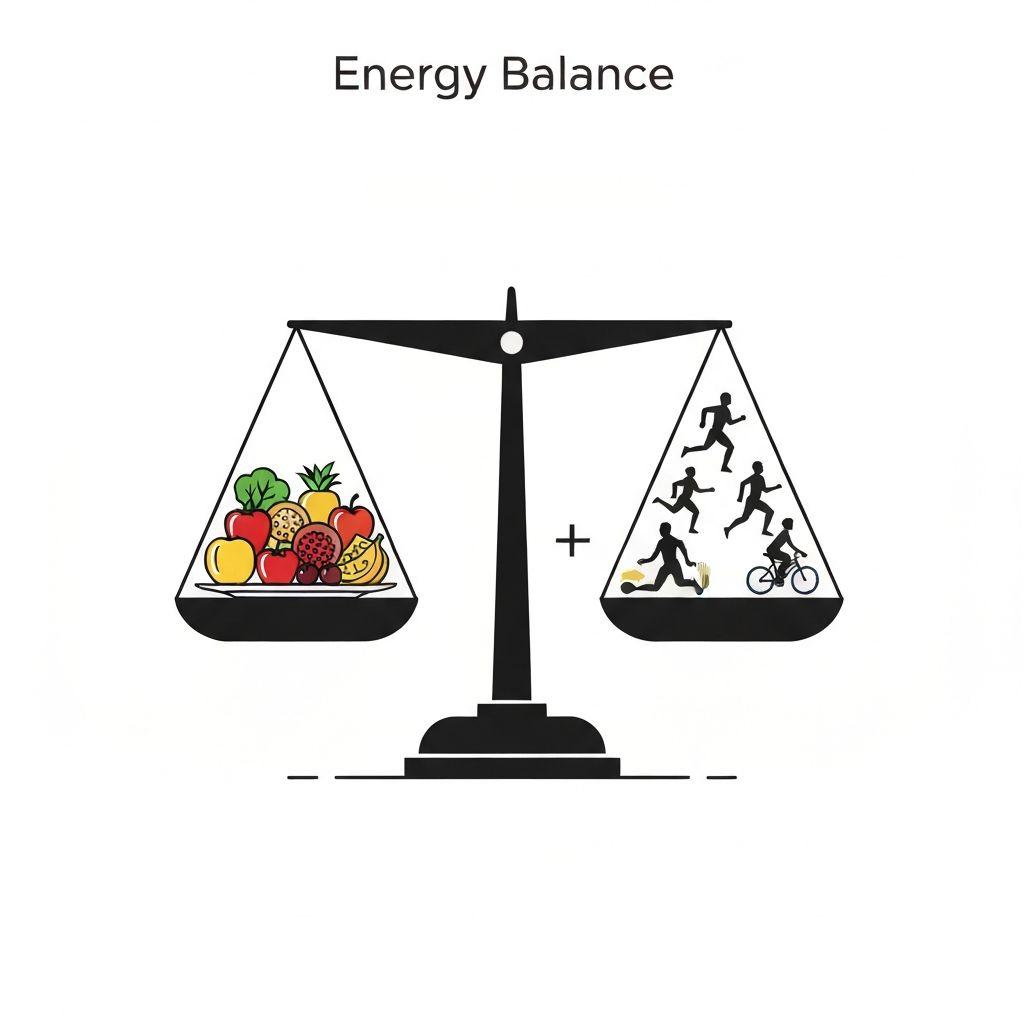
Energy balance concept visualization

What Is Energy Balance?

Energy balance refers to the relationship between energy intake (calories consumed through food) and energy expenditure (calories burned through metabolic processes and physical activity). This balance is fundamental to understanding how the body maintains weight, gains weight, or loses weight over time.

The concept is straightforward: the human body requires energy to maintain vital functions. When energy intake equals energy expenditure, body weight remains relatively stable. When intake exceeds expenditure, the excess energy is stored as body tissue. When expenditure exceeds intake, body tissue is mobilized for energy.
Components of Energy Expenditure

Basal Metabolic Rate (BMR): The energy required to maintain basic vital functions at rest—breathing, circulation, cell production, maintaining body temperature. This represents the largest component of energy expenditure for most people.

Thermic Effect of Food: The energy required to digest, absorb, and process nutrients from food. Different macronutrients require different amounts of energy to process; protein requires more energy to digest than carbohydrates or fats.

Activity Energy Expenditure: Energy burned through physical movement and structured exercise. This component is highly variable among individuals based on activity level, fitness, and occupational demands.

Adaptive Thermogenesis: Changes in metabolic rate in response to factors such as caloric restriction or overfeeding, environmental temperature, and stress.

Metabolic processes

Factors Influencing Energy Balance

Biological Factors

  • Age: Metabolic rate typically decreases with age
  • Sex: Differences in muscle mass and hormonal factors
  • Body Composition: Muscle tissue is more metabolically active than fat tissue
  • Genetics: Inherited differences in metabolic efficiency
  • Hormonal Status: Thyroid, cortisol, and other hormones influence metabolism

Lifestyle and Environmental Factors

  • Physical Activity: Type, duration, and intensity of movement
  • Sleep: Duration and quality influence metabolic hormones
  • Stress: Chronic stress affects cortisol and eating patterns
  • Temperature: Exposure to heat or cold affects metabolic rate
  • Food Composition: Macronutrient ratios influence thermic effects

The Science of Weight Change

Scientific research has established that sustained weight change occurs when energy balance is consistently altered. A consistent deficit in energy intake relative to expenditure results in weight loss, while a consistent surplus results in weight gain. However, the relationship is not always perfectly linear:

  • Metabolic adaptation: The body adjusts metabolic rate in response to prolonged caloric restriction
  • Changes in appetite hormones: Ghrelin and leptin influence hunger and satiety signals
  • Variation in individual responses: Genetic and physiological differences mean people respond differently to the same energy deficit
  • Quality matters: Different foods with the same calories may have different effects on satiety, hormones, and metabolic processes

Educational Context

This article explains the scientific principles of energy balance and how weight change occurs. This is general educational information applicable to population averages. Individual responses vary significantly based on numerous factors including genetics, age, health status, medications, and specific metabolic characteristics. This information is not personalized medical or nutritional advice. For personal health decisions, consult with qualified healthcare professionals.

Back to Blog | Home